192.168.1.1 Router Admin Login
192.168.1.1 is the most widely used router address in the world. It is the factory default for Linksys, Netgear, most ZTE and Huawei fibre modems, and the majority of ISP-supplied routers in India, Indonesia, the Philippines and Pakistan. It is often mistyped as 192.168.l.l, 192 l.168.1.1, 192.168 l 1.1 — those versions will not open it.
Username / password: admin / admin
Also try: ubnt / ubnt
· Not opening? Try 192.168.0.1, 10.0.0.1, 192.168.1.254
Contents
- How to Login to 192.168.1.1
- 192.168.1.1 or 192 l.168.1.1 or 192.168.l.l
- Recover username and password for 192.168.1.1
- How to Troubleshoot 192.168.1.1
- Default 192.168.1.1 username and password
- Routers and ISPs that use 192.168.1.1
- Ways people mistype 192.168.1.1
- Find your router’s IP address
- 192.168.1.1 network details
- Frequently asked questions
- Other router IP addresses
192.168.1.1 is a private IP address that is commonly used by routers for their administrative interface. It is the default gateway for many routers, including Linksys, Netgear and older TP-Link models. People often mistype it as 192 l.168.1.1 or 192.168.l.l — those versions will not work.
To access your router’s admin panel, you will typically need to enter 192.168.1.1 into a web browser’s address bar. Once you are logged in, you can change your router’s settings, such as its password, Wi-Fi network name, and security settings.
How to Login to 192.168.1.1
To log in to your router’s admin panel, follow these steps:
- Open your web browser, type 192.168.1.1 into the browser’s URL bar, and press enter.
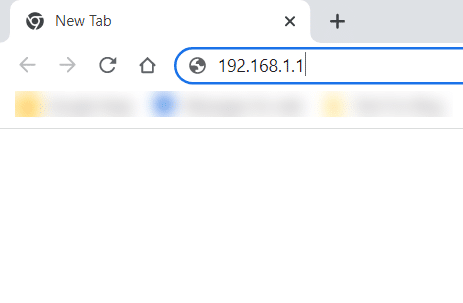
- The webpage will provide you with a login form with fields for your router’s username and password.
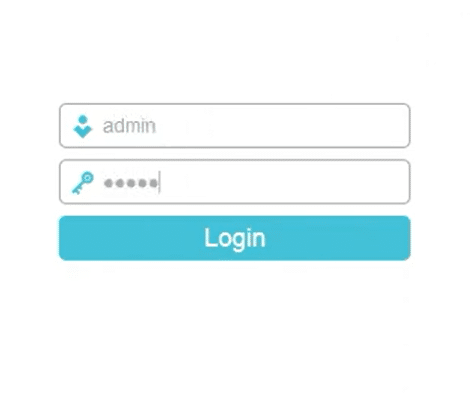
- Fill up the field with the correct username and also password. Remember, the username for most of the modems or routers is “admin“. But the password is different sometimes. It is either “admin” or “password.”
- Press “Log in” to access the router’s Admin Panel dashboard.
Note: If you can’t get access to your router’s admin panel at 192.168.1.1, then try using the 192.168.0.1 or 10.0.0.1 IP address.
192.168.1.1 or 192 l.168.1.1 or 192.168.l.l
The correct way to write the IP address 192.168.1.1 is to use only numbers, and not to confuse 0 (zero) with the letter O or lowercase letter L (l) with the number 1 (one). These small nuances can make a big difference when it comes to properly configuring your network. Using the correct format is crucial for successful communication between devices and systems on your network.
To further illustrate the correct way to write IP addresses, let’s examine some examples:
Correct:
- 192.168.1.1
Incorrect:
- 192 l.168.1.1
- 192.168.l.l
- 192.168.ll
- 192.168l 1.1
Recover username and password for 192.168.1.1
Wireless passwords are often forgotten. We realize you’re upset. But it is not too difficult to recover.
There are two things to consider, the first is when you didn’t change the password and username earlier, and the second is when you changed it.
The password and username have not changed
The manufacturer provides the router’s password and username. If you haven’t changed the default password and username, you may find the default password and username in the router’s manual or the back of the router. (or check the default username and password list) Other details like serial numbers are printed on the router sticker.

The password and username have changed
You need to perform a factory reset of your router, If you have changed the password and have lost or forgotten it.
RESET the router
Locating the RESET Button:
The RESET button is a tiny yet powerful tool that can restore your router to its default settings. To find it, simply look for a small button typically located on the back of your router. It may be recessed, requiring a paperclip or needle to access it.

Pro Tip: Before proceeding with the router reset, make sure to backup your router’s settings, as the process will erase any customized configurations.
Performing the Router Reset:
Once you’ve located the RESET button, follow these steps to perform a successful router reset:
- Prepare the Tools Grab a paperclip or needle – these will come in handy to press the RESET button.
- Power Off the Router Turn off your router by unplugging it from the power source. This will prevent any electrical mishaps during the reset process.
- Press and Hold the RESET Button With your paperclip or needle, press and hold the RESET button for 10-15 seconds. The router will automatically reboot and start reconfiguring itself with the default settings. Be sure to apply steady pressure and avoid pressing any other buttons.
- Wait for the Router to Restart Be patient and wait for your router to complete the reboot process. This may take a few minutes, so don’t panic.
- Configure your Router once the router has restarted, you must configure it again. This involves setting up your network name (SSID) and password, as well as any other custom settings you had previously configured.
How to Troubleshoot 192.168.1.1
If you are experiencing issues with your router, there are several steps you can take to troubleshoot the problem:
Reboot the Router
Rebooting the router can resolve many issues, including connectivity problems and slow internet speeds. Simply unplug the router from the power source and wait for about a minute before plugging it back in.
Reset the Router
If rebooting the router does not resolve the issue, you may need to reset it to its default settings. This will erase all of the router’s configurations and restore it to its factory settings. To reset the router, press and hold the reset button located on the back of the router for about 10 seconds.
Update Firmware
Updating the router’s firmware can resolve many issues, including connectivity problems, security vulnerabilities, and instability. You can check for firmware updates in the router’s configuration page and download and install the latest version.
Default 192.168.1.1 username and password
These are factory logins for devices that use 192.168.1.1. If you or your ISP changed the password, it will not work — reset the router to restore it.
By router brand
“Official doc” rows link to the manufacturer’s or ISP’s own documentation, via the ssid.ai router dataset (CC BY 4.0).
By internet provider
“Official doc” rows link to the manufacturer’s or ISP’s own documentation, via the ssid.ai router dataset (CC BY 4.0).
Routers and ISPs that use 192.168.1.1
- Linksysmyrouter.local · 192.168.1.1
- Netgearrouterlogin.net · 192.168.1.1 · 192.168.0.1 · 192.168.100.1
- TP-Linktplinkwifi.net · 192.168.0.1 · 192.168.1.1 · 192.168.68.1 · 192.168.0.254
- ASUSrouter.asus.com · 192.168.50.1 · 192.168.1.1
- D-Linkdlinkrouter.local · 192.168.0.1 · 192.168.1.1
- ZTE192.168.1.1 · 192.168.0.1
- Huawei192.168.3.1 · 192.168.8.1 · 192.168.100.1 · 192.168.1.1
- Mercusysmwlogin.net · 192.168.1.1 · 192.168.68.1
- Zyxelzyxelwifi.com · 192.168.1.1 · 192.168.1.2
- Netisnetis.cc · 192.168.1.1
- TOTOLINKitotolink.net · 192.168.0.1 · 192.168.1.1
- Starlinkdishy.starlink.com · 192.168.1.1 · 192.168.100.1
- Belkinrouter · 192.168.2.1 · 192.168.1.1
- Ubiquiti (UniFi / EdgeRouter)192.168.1.1
- Keeneticmy.keenetic.net · 192.168.1.1
- Synologyrouter.synology.com · 192.168.1.1
- DrayTekvigorap.com · 192.168.1.1 · 192.168.1.2
- Peplink192.168.1.1 · 192.168.50.1
- Netgate (pfSense)192.168.1.1
- Turris192.168.1.1
- Actiontec192.168.1.1
- EnGeniusEnGenius.local · 192.168.1.1
- CIG192.168.1.1
- VNPT Technology192.168.1.1
- Airtel Xstream FiberIndia · 192.168.1.1
- BSNL FTTH (Bharat Fiber)India · 192.168.1.1
- ACT FibernetIndia · 192.168.0.1, 192.168.1.1
- HathwayIndia · 192.168.0.1, 192.168.1.1, 192.168.100.1
- ExcitelIndia · 192.168.1.1, 192.168.0.1
- Tata Play FiberIndia · 192.168.1.1
- IndiHomeIndonesia · 192.168.1.1, 192.168.100.1
- Biznet HomeIndonesia · 192.168.1.1
- MyRepublic IndonesiaIndonesia · 192.168.1.1
- PLDT Home FiberPhilippines · 192.168.1.1, 192.168.254.254, 192.168.15.1
- Globe At HomePhilippines · 192.168.254.254, 192.168.1.1
- Converge ICTPhilippines · 192.168.1.1
- Smart BroPhilippines · 192.168.8.1, 192.168.0.1, 192.168.1.1
- NayatelPakistan · 192.168.100.1, 192.168.1.1
- StormFiberPakistan · 192.168.0.1, 192.168.1.1, 192.168.100.1
- PTCLPakistan · 192.168.10.1, 192.168.1.1
- Verizon FiosUnited States · 192.168.1.1, 192.168.0.1
- SpectrumUnited States · 192.168.1.1, 192.168.100.1
- TalkTalkUnited Kingdom · 192.168.1.1
- VodafoneUK / Germany / Italy · 192.168.1.1, 192.168.8.1, 192.168.0.1
- Orange (Livebox)France · 192.168.1.1
- Etisalat (e&)United Arab Emirates · 192.168.1.1, 192.168.2.1
- FrontierUnited States · 192.168.1.1
- SaskTelCanada · 172.16.1.254, 192.168.0.1, 192.168.1.1
- FPT TelecomVietnam · 192.168.1.1, 192.168.100.1
- Kinetic by WindstreamUnited States · 192.168.254.254, 192.168.1.1
- MovistarColombia · 192.168.1.1
- NTT (Flets)Japan · 192.168.1.1
- o2Germany · 192.168.1.1
- SFRFrance · 192.168.1.1
- TPGAustralia · 192.168.1.1
Ways people mistype 192.168.1.1
An IPv4 address is four numbers separated by three dots. These are the versions people type by mistake — none of them will open your router:
| What people type | Why it fails |
|---|---|
| 192.168.l.l | The letter “l” instead of the number 1. |
| 192 l.168.1.1 | A space instead of a dot. Browsers read anything with a space as a search phrase. |
| 192.168 l 1.1 | A space instead of a dot. Browsers read anything with a space as a search phrase. |
| 168.192.1.1 | The numbers are in the wrong order. |
| 192.168.1.l | The letter “l” instead of the number 1. |
| 192.168.11 | A missing dot, so it is not a valid address. |
The correct address is 192.168.1.1. Type it in the address bar, not the search box, with http:// in front.
Find your router’s IP address
If the address on this page does not open, your router uses a different one. Your device already knows it — it is called the default gateway.
- Windows: press Win + R, type
cmd, then runipconfig. Look for “Default Gateway”. - Mac: System Settings → Network → Wi-Fi → Details → TCP/IP → “Router”.
- Android: Settings → Wi-Fi → tap your network (or the gear icon) → “Gateway” or “Router”.
- iPhone / iPad: Settings → Wi-Fi → tap ⓘ next to your network → “Router”.
- Linux: run
ip route | grep default. - Label: most routers print the login address on a sticker underneath.
192.168.1.1 network details
192.168.1.1 is a private address, so it only works inside your home or office network. Anyone outside sees your public IP instead.
| Address type | Private (not reachable from the internet) |
|---|---|
| Private block | 192.168.0.0/16 (Class C private) |
| Usual network | 192.168.1.0/24 |
| Subnet mask | 255.255.255.0 |
| Usable addresses | 192.168.1.1 – 192.168.1.254 (254) |
| Broadcast | 192.168.1.255 |
| Typical DHCP pool | Set by the router — often 192.168.1.100 – 192.168.1.199 or 192.168.1.2 – 192.168.1.254 |
Frequently asked questions
How do I access my 192.168 1.1 address?
Connect the device to the router by Wi-Fi or cable, turn mobile data off, then type http://192.168.1.1 in the browser address bar — not in the search box. Enter the admin username and password; on most ISP routers they are printed on the sticker underneath.
What is the difference between 192.168.1.1 and 192.168.l.l?
LL isn’t 1.1. People mistake “192.168.1.1” for “192.168.l.l” because they look the same. The right router’s IP address ends with 1.1. The correct URL is 192.168.1.1, not 192.168.l.l.
What is the difference between 192.168.1.1 and 192.168.0.1?
They are two different addresses, and your router only answers on one of them. 192.168.1.1 is the factory default for Linksys, Netgear, most fibre ONTs and the majority of ISP-supplied routers; 192.168.0.1 is the default for D-Link, Tenda, TOTOLINK and newer TP-Link models. If one does not open, try the other, or check your default gateway.
Can I change the default IP address of my router?
Yes. In the router's LAN settings you can set a different address, for example 192.168.10.1. Everything on the network then gets new addresses, so devices with a fixed IP (printers, cameras, port-forwarding rules) have to be updated by hand. Write the new address down: after the change, 192.168.1.1 will no longer open the admin page.
What is the default username and password for 192.168.1.1?
The most common pair is admin / admin, followed by admin / password and user / user on ISP fibre modems. Routers made in the last few years print a unique password on the label instead. The table above lists the logins by brand and provider; if none of them work, the password was changed and only a factory reset restores it.
What is 192.168.1.1?
192.168.1.1 is a private IP address used as the admin (login) page of a router or modem. It is used by Linksys, Netgear, TP-Link, ASUS, D-Link.
What is the default password for 192.168.1.1?
The most common default is username admin and password admin. Many newer routers print a unique password on the label instead.
Why can’t I open 192.168.1.1?
You must be connected to that router, and the router must actually use 192.168.1.1. Check your default gateway, turn off VPN, and type http://192.168.1.1 in the address bar.
Is it safe to change settings at 192.168.1.1?
Yes, as long as you note what you change. The worst case is fixed with a factory reset. Always change the default admin password.
Can I access 192.168.1.1 from outside my home?
No. 192.168.1.1 is private and only reachable from inside the network. Some routers offer remote management or an app for that.